 Korea Herald
What the revival of mechanical watchmaking can teach us about reinvention and staying relevant in a changing market

For years, mechanical watches occupied a unique place in my personal list of interests.
They belonged to the usual collection of things that supposedly signaled that someone had reached a certain point in life; a signifier of position or status, supposedly. A well-tailored suit. Perhaps a two-door car that rattles your teeth every time you hit a pothole. Or maybe a fancy mechanical watch.
There was something compelling about the idea of a tiny machine sitting on your wrist, powered by an intricate system of springs, gears, wheels, and an absurd amount of human engineering. Still, for a long time, my interest remained theoretical. At arm’s length, if you will (sorry …). That is until one day, I decided to do something about it.
So, armed with some conviction and information gleaned from the brochure, I walked into a local watch dealer. And almost immediately I was confronted with my first dilemma.
Mechanical watches are essentially miniaturized machines that happen to fit on your wrist. The movements, materials, histories and endless permutations are complicated, to put it lightly.
I could feel myself sinking into the black hole of analysis paralysis. So I abandoned any pretense of making an informed decision and settled on a far simpler philosophy: I would buy whichever watch I thought looked the best. This struck me as difficult to argue with. After all, whatever happened inside the case, I was still going to spend most of my time looking at the outside of it.
And there was one chronograph in the display case that immediately caught my attention. It remained beautiful right up until the moment I tried it on. There was one glaring fact I had failed to account for: my wrist. More specifically, my egregiously underdeveloped wrists.
At 42 millimeters, the chronograph looked less like a sophisticated time keeping device and more like a court-ordered tracking device. I tried a few others. The results were not any better. With a dejected sigh, I asked the salesperson the obvious question, “Is there anything smaller?”
I left the store that day thinking that perhaps mechanical watches simply weren’t intended for people like me. (Sidenote: After a long and exhaustive search, I did eventually find one that fit.)
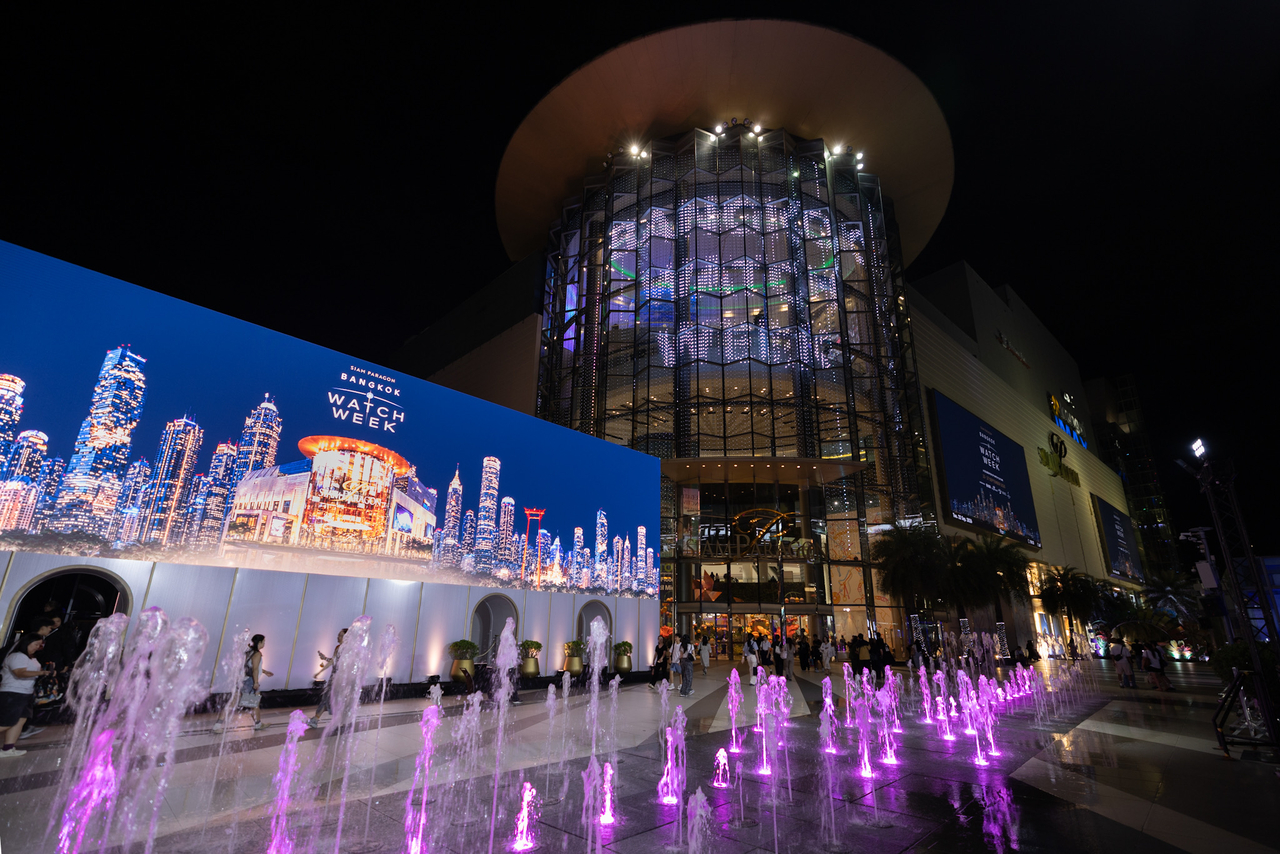
Which is why, when the nice folks at the Siam Piwat Group invited me to the Siam Paragon Bangkok Watch Week, I jumped at the opportunity to explore an interest I had mostly enjoyed from the periphery.
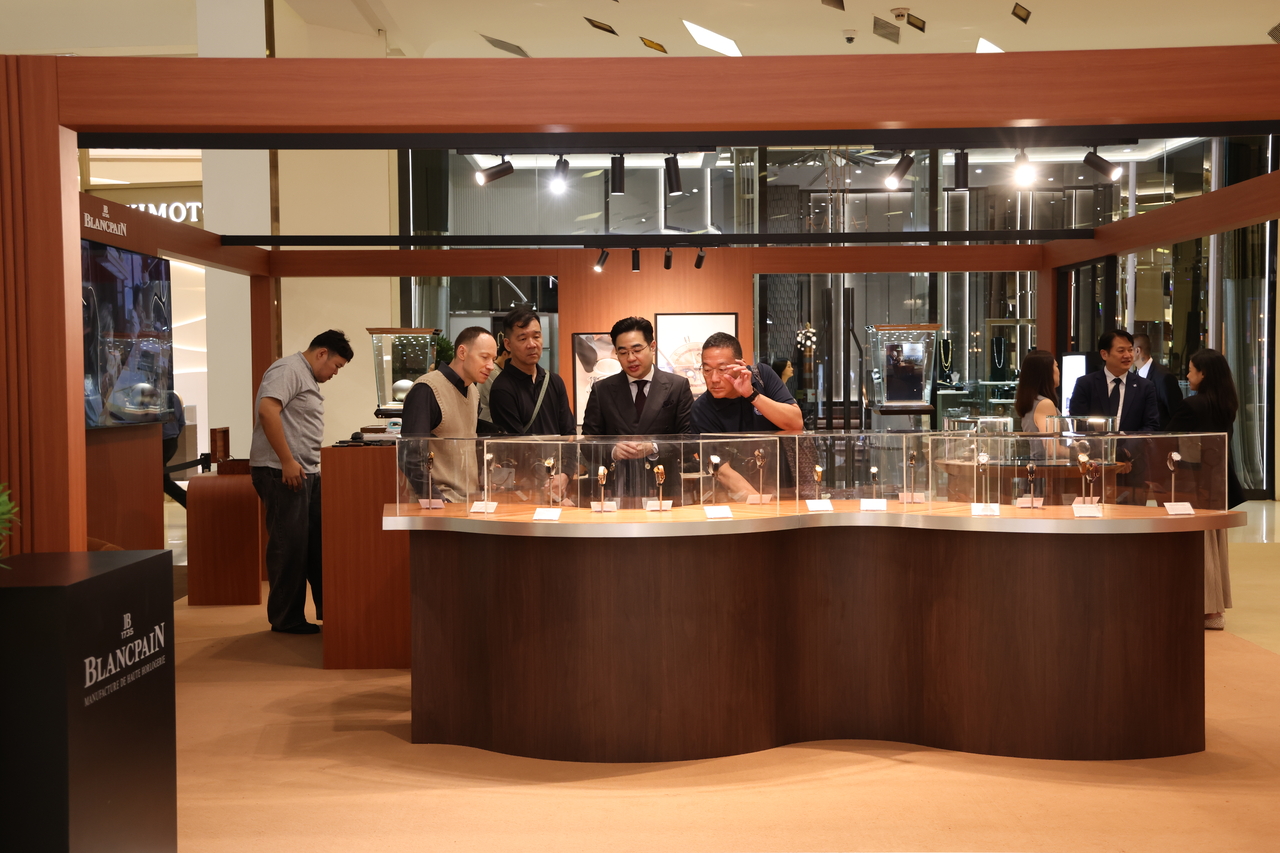
Walking into the first of the week’s programs, I had very little firsthand experience to draw from. Of course, I had done the prerequisite reading and homework, but nothing really prepares you for the visual and sensory tidal wave of a well-organized watch event.
The event brought together an impressive cross section of the watch world, with some of the biggest watch houses assembled in one place. There were “Maisons” whose histories stretched back hundreds of years sitting alongside young independent brands that were just beginning theirs.
For someone with a horological curiosity, there seemed to be an endless supply of things to look at and learn from. But it was during the symposium talks that something unexpected began to happen.
Over several days, across roughly two dozen discussions, I heard from watchmakers, executives, collectors, historians, and other experts from across the industry discuss where the business had been and where it might be going. Again and again, one particular period kept finding its way back into the conversation.
The quartz crisis.
Starting in the 1970’s, the arrival of inexpensive, highly accurate quartz watches fundamentally disrupted the traditional mechanical watch business. Swiss watchmaking, built around generations of mechanical expertise, suddenly found itself competing against a new technology that could tell time more accurately and be produced more cheaply. For an industry whose basic product existed to tell you the time, this presented something of an existential problem.
Sitting there listening to people discuss the crisis, and particularly how its lessons continue to inform the industry today, I couldn’t help but draw parallels to what the content industry in Korea is currently experiencing. The comparison is obviously imperfect. Watches are not movies, and quartz movements are not streaming platforms, AI, or changing audience habits. But the part that interested me was what happened next.
The mechanical watch industry could not beat quartz by being cheaper. And it could not beat quartz by being more accurate. So it had to reconsider what, exactly, it was offering it’s consumers.
The answer became craftsmanship, design, heritage, mechanical ingenuity, scarcity, emotion and storytelling. A mechanical watch no longer could justify itself simply by telling you the time. It could justify itself by showing you what human beings were capable of building when creativity, innovation and irrational levels of obsession were allowed to coexist.
The industry’s transformation did not happen overnight, nor can the revival of mechanical watchmaking be reduced to a few convenient lessons for another industry in crisis. But there was something hopeful about seeing an industry that had faced a genuine existential crisis emerge with a clearer understanding of what made it special.
There was also something inspiring about an event like Bangkok Watch Week itself. Competitors, collectors, craftspeople, educators and enthusiasts all gathered in the same place, not simply to sell watches, but to talk about the industry, its history, its strengths and its weaknesses.
For the last few years, I have been fairly consistent in my belief that the Korean content industry needs real systemic change. Whether the pressures facing us become an opportunity to reconsider what we make and how we communicate its value to audiences remains to be seen.
The harder question is whether we understand, with enough specificity, what makes our work distinctive enough for audiences to seek it out when nearly every form of entertainment imaginable is competing for the same finite amount of attention.
I entered the event as a humble hobbyist and ended up learning far more than I expected.
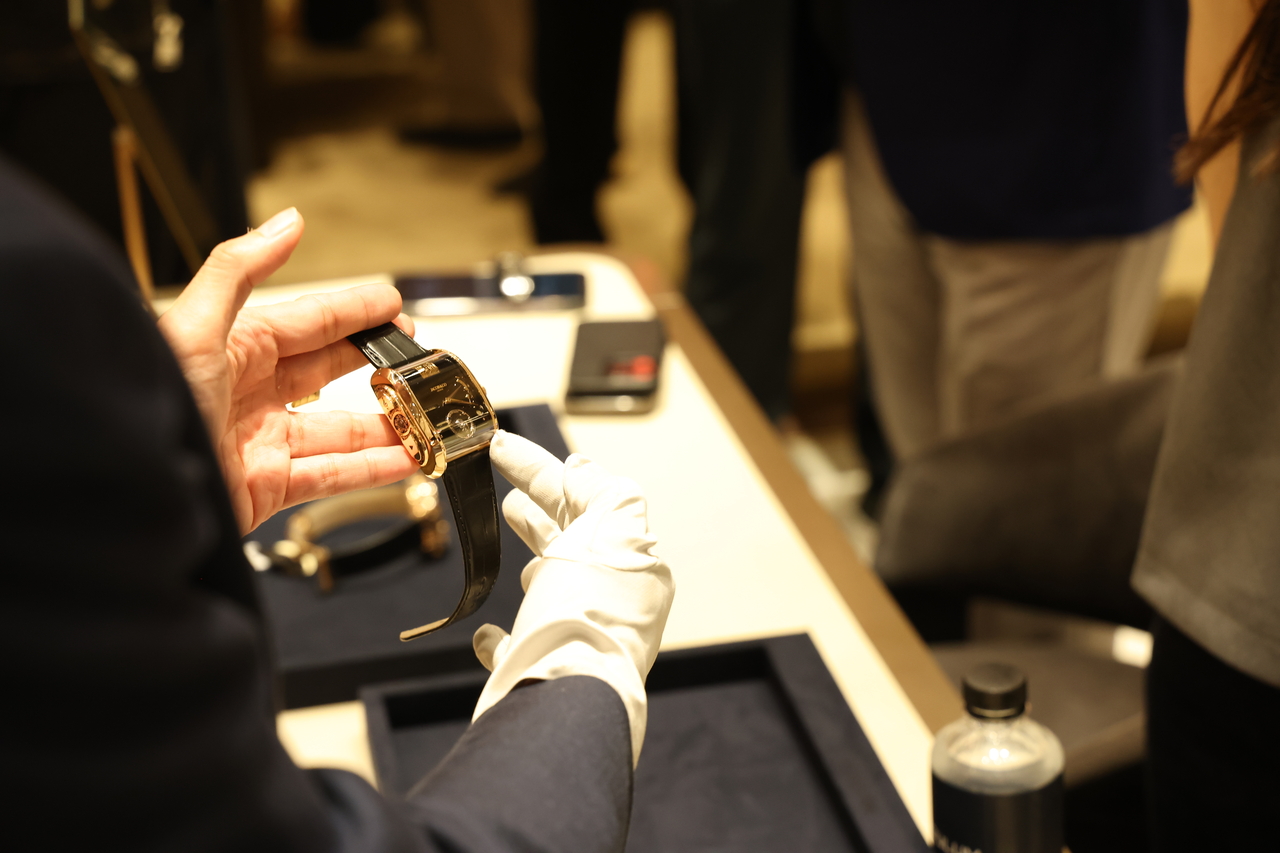
Toward the end of the week, I stopped by the Lange booth. There, I spotted a beautiful 1815 model.
I admired it for a moment but stopped short of trying it on. I already knew how this story ended. It was clearly too large for me. As I handed the watch back, the brand representative looked at me and smiled warmly.
“This one comes in a smaller size.”
Thomas Suh is a producer and screenwriter exploring the people, ideas and stories that shape storytelling and culture. "Room Tone," the title of his column series, refers to the ambient sound of a space in which filming takes place. He can be reached at tommysuh@me.com — Ed.
khnews@heraldcorp.com
- [Room Tone] More than telling time
- Mother Won't Listen 말을 들으려 하지 않는 엄마
- [Gianluca Benigno] Long-term rates and Greenspan's conundrum, inverted
-
Kospi crashes 8% as Samsung, SK hynix sink over 10%
x
-
Why a memory chip glut could be Korea's weapon against China
x
-
Incheon knife attacker had history of attempted murder
x