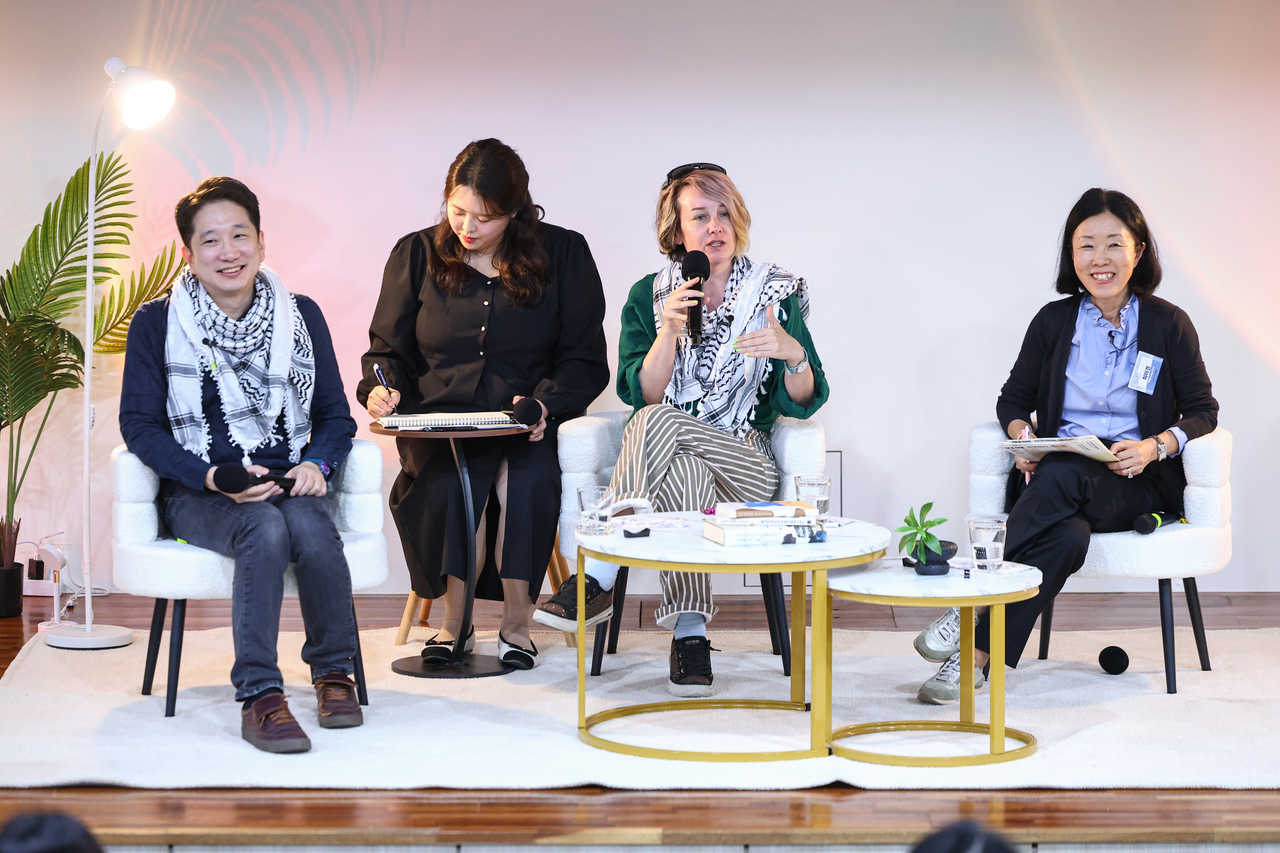
Literary translators called for sustained funding, greater autonomy to bring more Korean works to readers worldwide
INCHEON — The growing international visibility of Korean literature has opened new doors for translators, but sustaining that momentum will require more than celebrated authors and award-winning books. Translators need greater support, more freedom to choose the works they translate and an industry that recognizes the demands of their profession, three prominent literary translators said at an international colloquium in Incheon.
At "Translation: Text in Transit," a colloquium organized Oct. 8 by the National Museum of World Writing Systems, translators Deborah Smith, Anton Hur and Choi Mi-kyung called for more sustained funding, greater professional autonomy and better working conditions for those translating Korean literature.
"Publishing a book abroad is always a miracle," said Hur, whose English translations include Bora Chung's international bestseller "Cursed Bunny." A manuscript must compete with countless others for a foreign publisher's attention, he said, regardless of its literary merit.
"We often think, ‘Korean literature is so good, so why isn't everyone reading it?'" he said. "But we don't necessarily read that much literature from around the world ourselves. So why do we expect people to read Korean literature?"
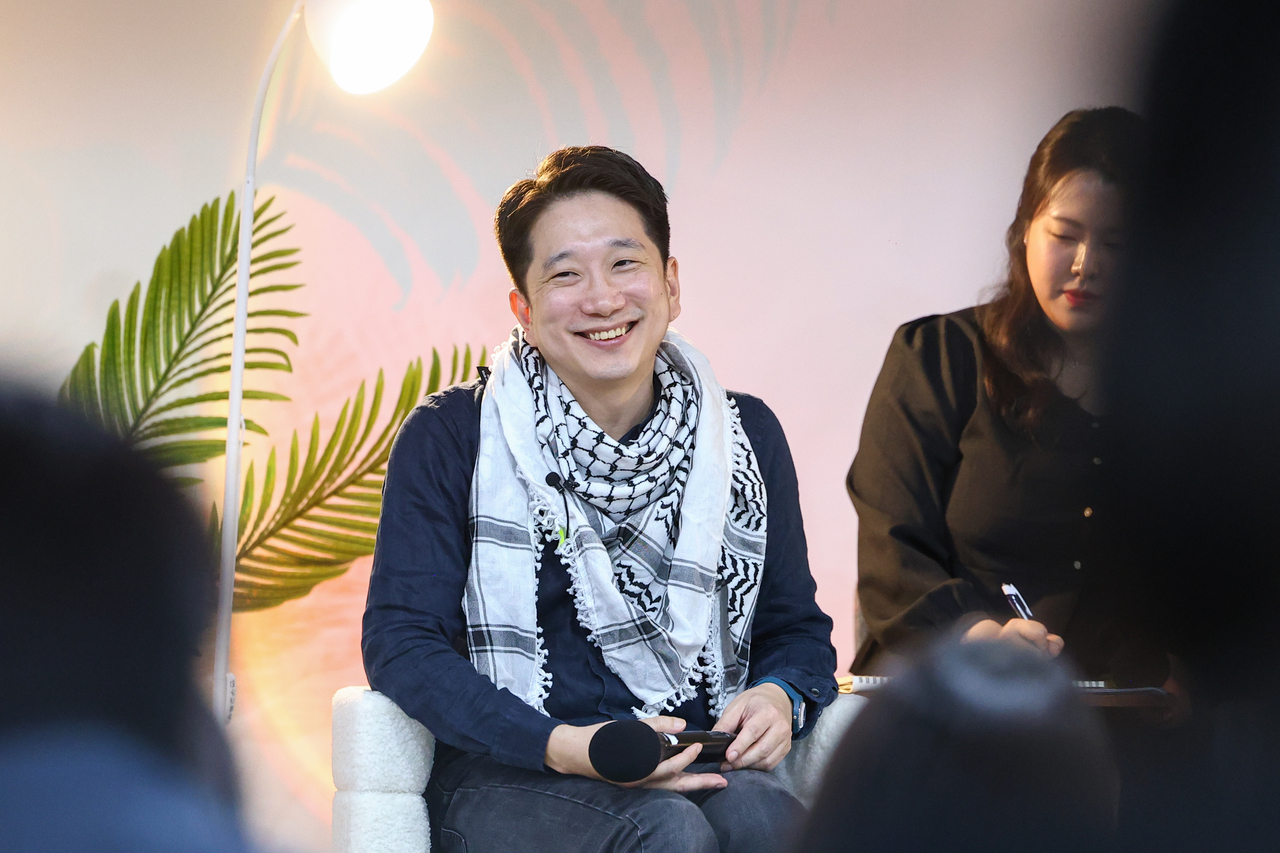
Hur said that funding for sample translations — excerpts that allow overseas publishers to assess a work before committing to publication — is particularly important. He said translators should be able to apply for such support directly, rather than relying on publishers.
Smith, who has translated works by Han Kang into English, said the international availability of Korean literature had changed dramatically since she began learning Korean. But she sees considerable room for growth, particularly in works that have yet to reach English-language readers.
"There is such an enormous wealth that hasn't been translated," she said, pointing to classic texts, poetry, nonfiction and short stories.
Expanding that range, however, will require addressing the conditions under which translators work. Smith warned that a passion for literature cannot indefinitely compensate for an exhausting and precarious profession.
"Love for a particular text or devotion to the idea of spreading this literature can only take you so far if you're going to be repeatedly exhausted by it," she said.
Choi, a Korean-French translator of works by Hwang Sok-yong, focused on translators' shrinking control over their own work. She criticized changes to the Literature Translation Institute of Korea's funding system, saying that publishers now have the authority to select both the books and the translators for funded projects.
"Translators have become the objects of administration rather than the agents of it," she said, criticizing the lack of consultation with translators over the changes.
When she began translating, Choi said, she could choose works herself and seek support to introduce them to overseas audiences. That freedom helped her build a long-standing relationship with Hwang's writing, which she began translating while the author was imprisoned.
During the discussion, the translators also challenged the idea that Han's Nobel Prize alone propelled Korean literature onto the global stage. Smith described its growing presence abroad as the result of a broader cultural shift and years of collective effort.
"It's not one book or one author or one event that made that happen. It's a collaborative swell, a wave," Smith said.
Hur agreed that the Nobel Prize was the culmination of a longer process rather than its starting point.
"Some people think that now Han has won the Nobel Prize, Korean literature will take off," he said. "But we think she won the Nobel Prize in the course of Korean literature taking off."
For the translators, the work of carrying literature across languages also demands more than linguistic fluency. It requires creative judgment: knowing when to preserve the structure of an original sentence and when to depart from it to retain its emotional force, rhythm or historical context.
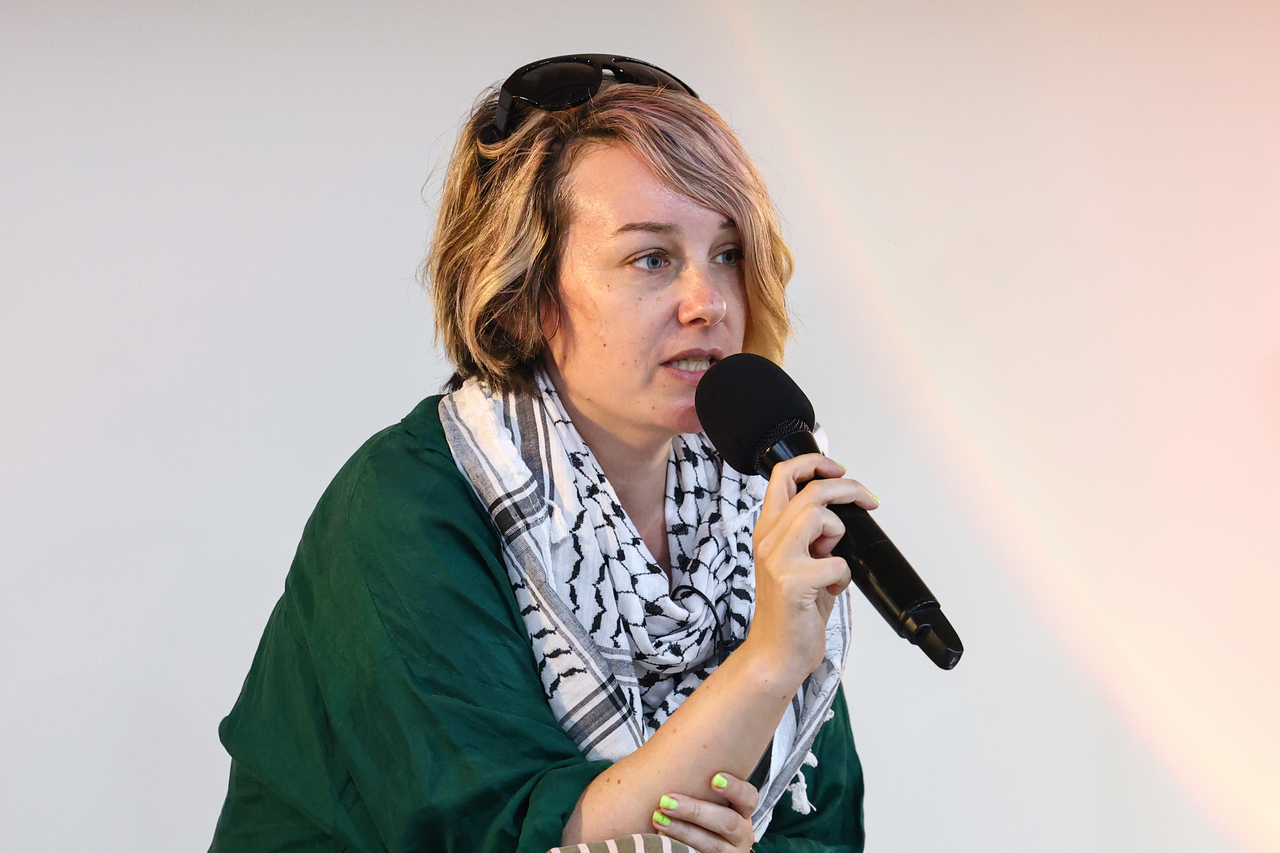
"Every act of translation is inevitably creative," Smith said.
Yet both Smith and Hur returned to a more fundamental qualification: a deep engagement with literature itself. Smith said years of reading had shaped the instincts she relies on as a translator. Hur echoed the sentiment.
"I see translation less as an act of creation than as an act of reading," he said.
As Korean literature reaches a wider international audience, the translators argued, its continued growth will depend not only on the books that attract attention, but also on the people who make them accessible — and on whether the industry gives those people the means to continue.
hwangdh@heraldcorp.com