A clinical study using South Korean biotech firm Miracell's cell-processing technology has shown promising results in treating anterior cruciate ligament (ACL) injuries without surgery, potentially opening new opportunities for the company in sports and regenerative medicine.
The study, led by Patrick Weninger of the Sports Medical Center in Vienna, Austria, was published in July in the peer-reviewed Indian Journal of Orthopedics.
Researchers treated 47 patients with ACL ruptures using injections of concentrated cells derived from their own blood, combined with platelet-rich plasma. Miracell's Smart M-Cell system was used to prepare the concentrate, while all patients underwent a standardized rehabilitation program.
After 12 months, average pain scores had fallen to 0.36 on a 10-point scale, from 3.36 at four weeks. Knee function scores reached approximately 94 out of 100 on two standardized assessments.
Of the 47 participants, 46 reported returning to their pre-injury sporting activity levels, while one required ACL reconstruction surgery.
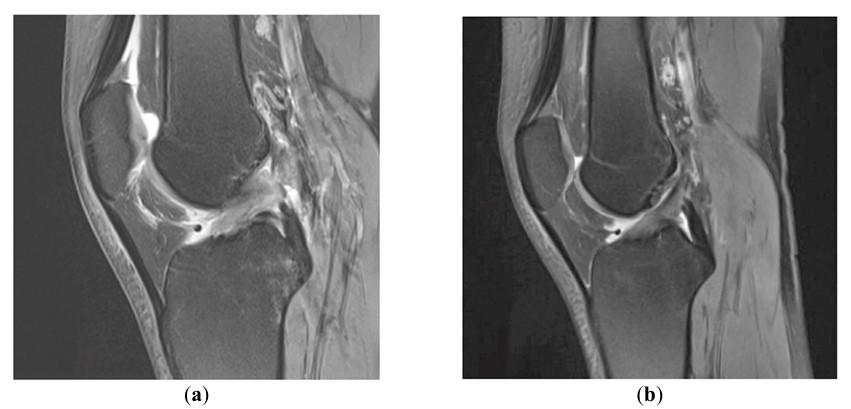
MRI scans also showed improvements in ligament appearance in most patients, although they did not establish complete healing or mechanical stability.
The findings suggest potential for a nonsurgical approach to ACL injuries, but the researchers cautioned that the retrospective study lacked a control group, making it difficult to distinguish treatment effects from natural recovery and rehabilitation.
Miracell received US Food and Drug Administration 510(k) clearance in April for its blood and bone marrow cell-processing systems. The clearance covers the devices, not the ACL treatment itself.
"This study is significant because Austrian medical professionals independently conducted clinical research using Smart M-Cell and published their findings in an SCIE-indexed international journal," a Miracell official said.
yejinlim@heraldcorp.com