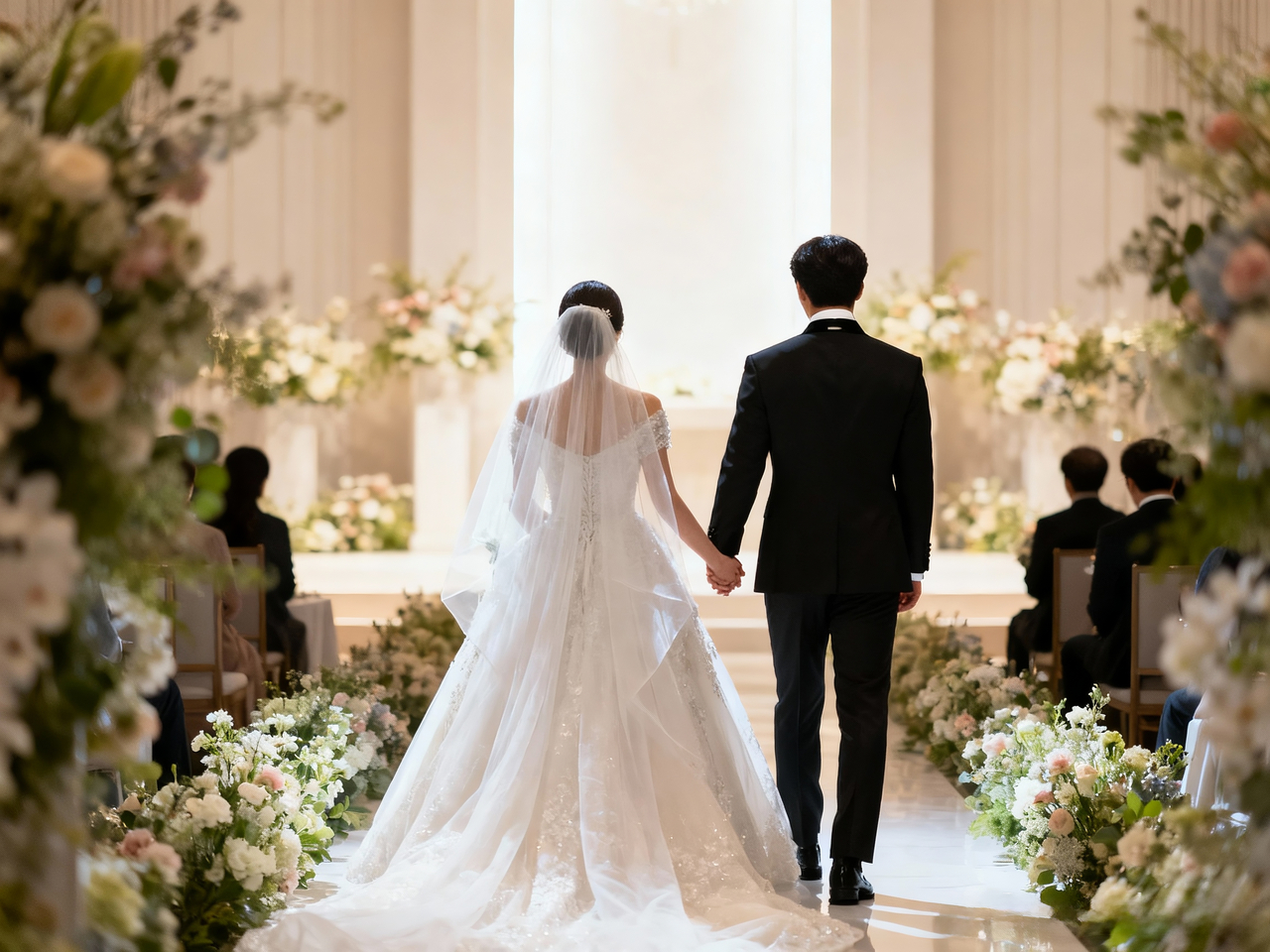
Most unmarried Korean women are neither strongly for or against getting married and having children, a study has found, with them holding a mix of traditional and nontraditional views.
Kim Da-eun of Seoul National University analyzed data from 1,496 unmarried women who took part in the ninth phase of the 2022 Korean Longitudinal Survey of Women and Families. The respondents’ average age was 30.07.
The study classified respondents into three groups based on their answers to 14 questions about marriage, children, cohabitation, divorce and personal achievement.
The largest group, comprising 75 percent of respondents, was classified as having an “ambivalent value orientation,” showing neither strong support for nor opposition to marriage and having children.
They were less accepting of people having children outside marriage than they were of premarital sex or cohabitation.
Another 17.7 percent were in the “traditional normative acceptance” group, whose members tended to view marriage and having children as important life paths.
The remaining 7.4 percent belonged to the “post-traditional acceptance” group, which placed greater emphasis on personal autonomy and was more accepting of nontraditional relationships and family forms.
Marriage intentions varied substantially across the groups, though the biggest difference was in the post traditional group. Compared with women in the ambivalent group, those in the traditional group had 43.2 percent lower odds of reporting no intention to marry.
Women in the post-traditional group were 5.78 times more likely than those in the ambivalent group to say they had no intention to marry and 2.44 times more likely to say they had never considered it.
Overall, 46.5 percent of respondents said they intended to marry, while 22.3 percent said they did not and 31.1 percent said they had not considered it.
“Family policy should reflect increasingly diverse values and life choices rather than assume a single path centered on marriage and childbirth,” the study said.
It also called for stronger support for gender equality, housing stability and work-family balance.
The study cautioned that its cross-sectional data showed associations rather than direct causation.
Titled “The Effects of Family Value Types on Marriage Intentions among Unmarried Women Aged 20-40,” the study was published in Health and Social Welfare Review, a journal published by the Korea Institute for Health and Social Affairs.
shwang9@heraldcorp.com