'Nobody pushes you into it. You're born with it. So think of it as being chosen'
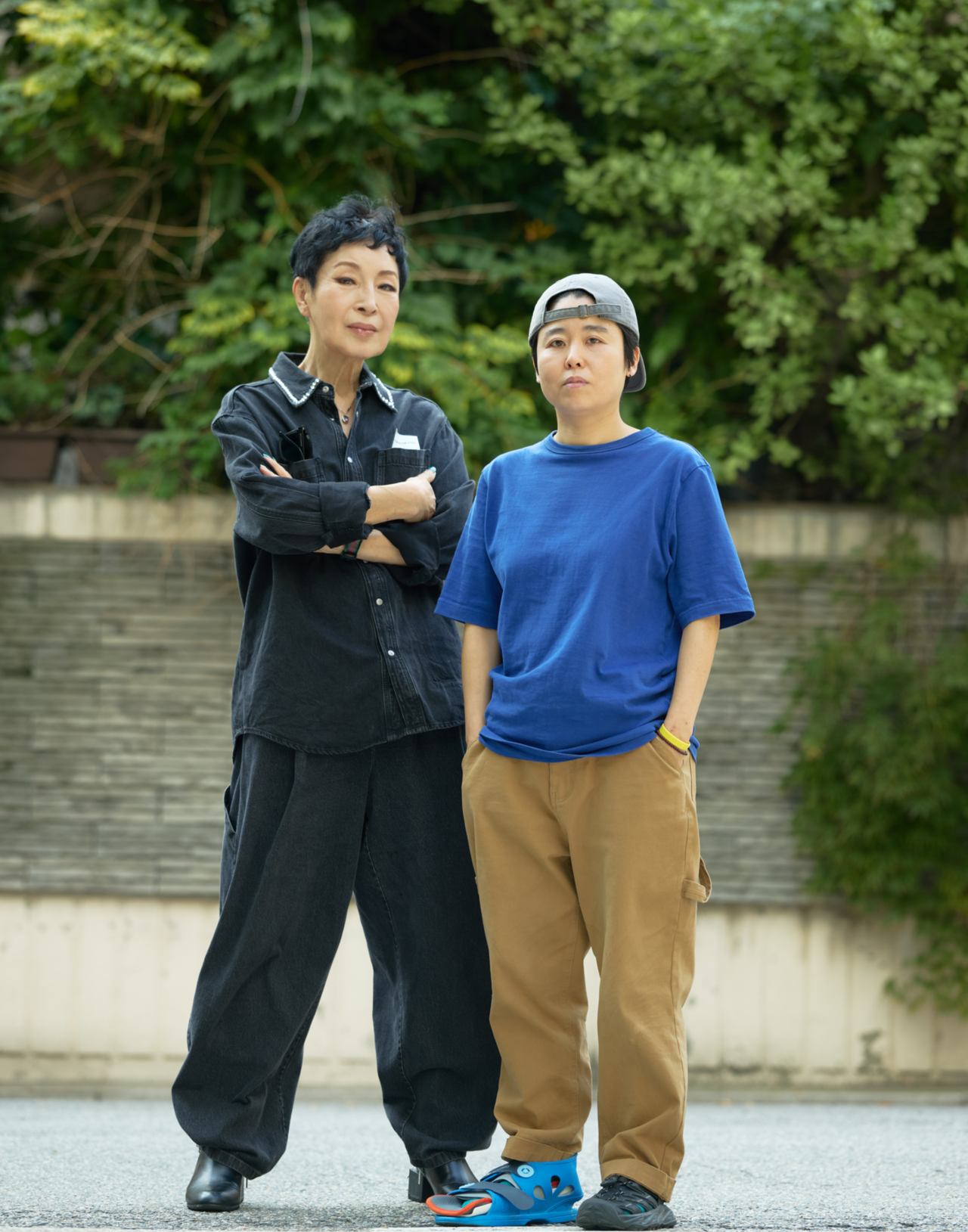
"People call me first generation only because they don't know. I'm actually not," said Saekja, 69, who is often described as one of Korea's first-generation transgender people, in an interview in Seoul on Sept. 30.
There were others before her, she said, who wore makeup and entertained customers long before Seoul had bars that openly catered to them. "There were people before me, but back then there were no bars," she said. "They wore makeup, but there were no bars with signboards."
Instead, they worked out of private homes, serving drinks at low Formica tables.
Five decades in Seoul's nightlife
Saekja, who left her home in Busan at 16 to find others like her at Pagoda Theater in central Seoul after reading about it in the Sunday Seoul weekly magazine, said she came to know many of those who had gone before her.
She went on to spend more than half a century working in "gender bars," which she said were the only places people like her could find work at the time. "To put it simply, I was a hostess, something like a gisaeng," she said, referring to female entertainers of the Joseon era (1392-1910).
In 1986 in her late 20s, Saekja had gender-affirming surgery — not in a hospital, but in a motel room in Itaewon, central Seoul. An elderly man she assumed was a doctor and a woman in her 30s performed the operation under local anesthesia. It took about five hours and cost 2 million won, which was quite a sum at the time. She said she was desperate enough to risk her life for it.
Because there were no medical records, she never changed her legal gender and is still registered as a man under her birth name, Yeom Kyu-sik. She says she never needed to. "I had the surgery, but I can't become a woman," she said. "I was born a man, but I identify as a different gender."
She loved fashion and once hoped to work in a boutique, she said, but felt she lacked the skills and was too old by then, so she stayed in the bars.
What she loved most was the stage, lip-syncing and performing in shows for customers. "I'm a stage person," she said. "When I'm onstage, people say the look in their eyes changes."
The stage also took her to Japan and out of the bars.
She first went to Japan on an entertainer visa on Dec. 24, 1984, returning repeatedly for shows before settling mainly in Himeji in the Kansai region from 1993 to 2002. Her career later expanded to film and theater; she appeared briefly as a transgender bar worker in 2016's "The Bacchus Lady," made her theater debut in 2021 and this year received a special award at the prestigious 62nd Dong-A Theater Awards.
For more than five decades, her nights typically stretched from around 9 p.m. to 5 a.m. That career ended this year, and not by her choice. The news came secondhand, in a phone call from a friend her age who had worked alongside her for the same owner since 2005: A younger madam had told the owner that the veteran performers made things awkward. They were asked to stop coming in.
"It wasn't my own decision. I'm at an age where they told me not to come anymore," Saekja said. She had been thinking of quitting anyway.
"There was nothing sad about it. It was just bittersweet."
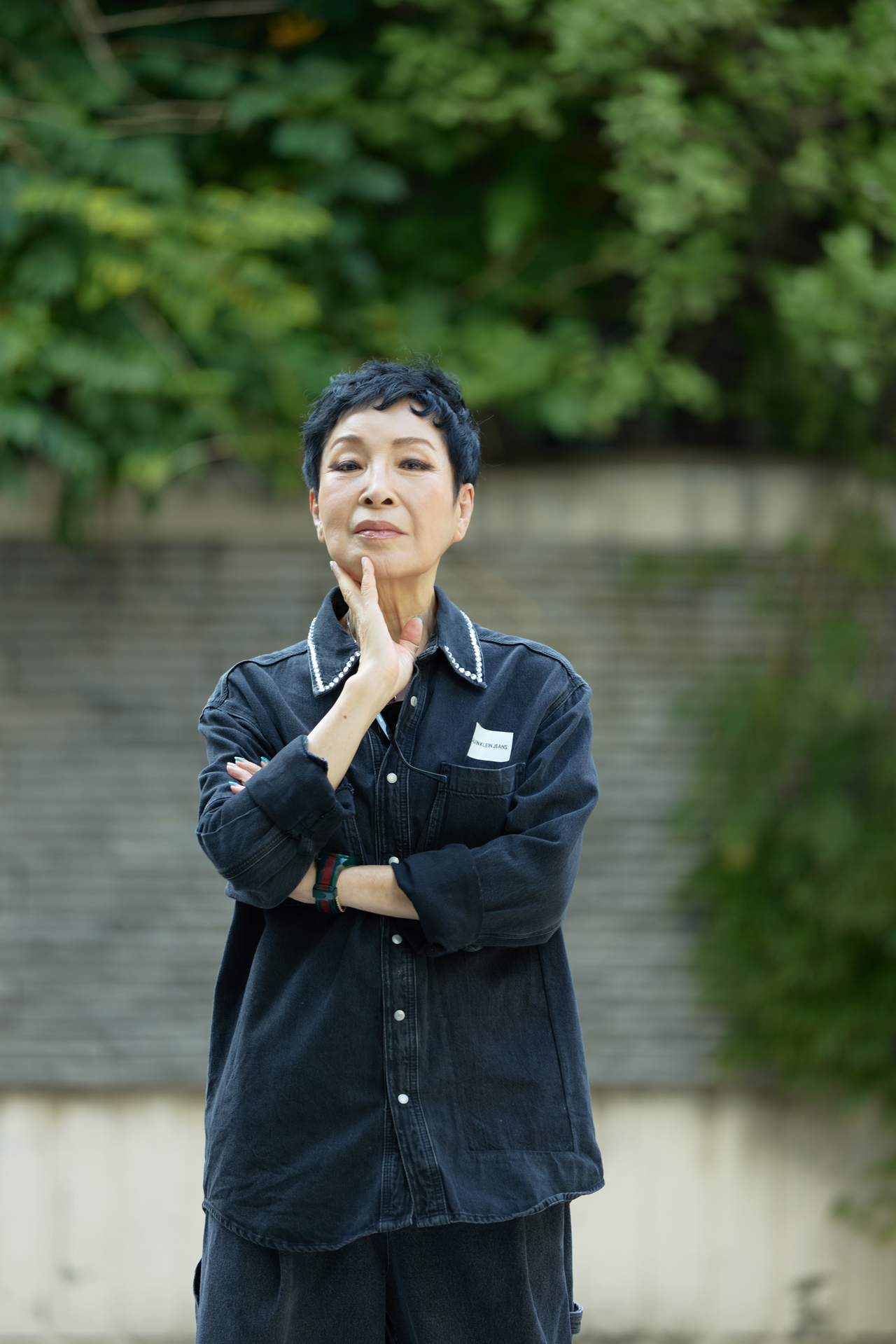
Putting a life onstage
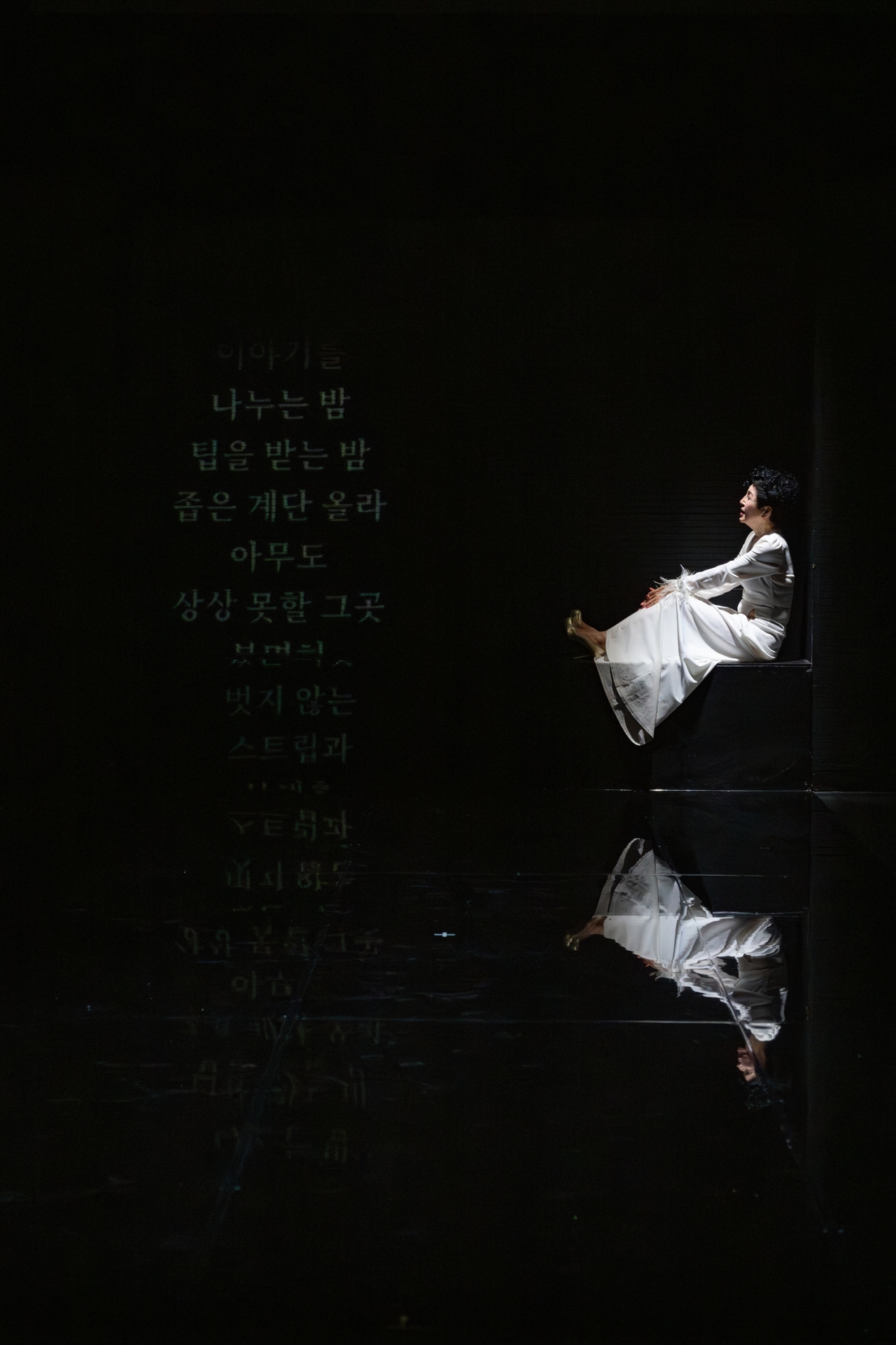
That ending is now part of "You Can't Make a Life Out of Not Getting Slapped in the Face." The play, which director Khoo Jahye, 44, built from Saekja's life, returns this month for its third run with a largely rewritten script.
"This year there was something like a turning point in Saekja's life. A lot of things changed," Khoo said. "So we had no choice but to reflect that and update the play, because it's a real person's story."
The play premiered in 2024 and has sold out every run since, Saekja said.
Khoo said the first two editions treated the material "like a microhistory of Saekja." This year she wants it to work as an archive, with Saekja's personal story alternating with the history of the times she lived through.
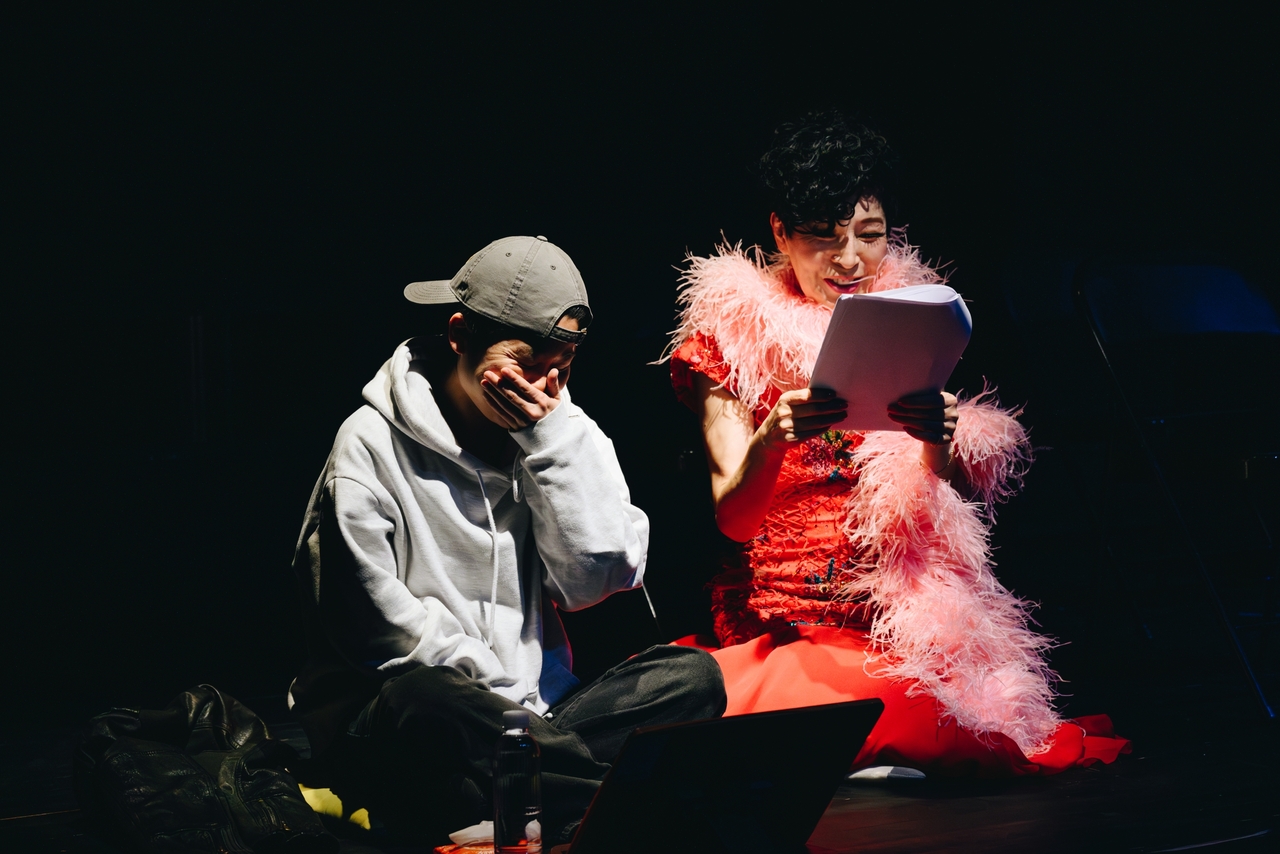
The new production runs Oct. 15 and 16 at 7:30 p.m. at the Arko Arts Theater's Small Theater in Seoul's theater district Daehangno, as part of the Seoul Performing Arts Festival 2026.
Much of that history was marked by hardship.
In the 1980s, Saekja recalled, police required bars in Itaewon to take turns sending workers to the Yongsan Police Station for summary trials on public morals charges. "A man wearing makeup and selling drinks — that was the crime," she said.
One August, after being sentenced to three days in detention, she and three others were left for hours inside a police bus with a single small window while the officers went off on a picnic. "It's a wonder we didn't die," she recalled.
Saekja remained upbeat and humorous throughout the interview, but it was the only memory that brought her to tears. "Whenever I talk about that, I remember how hard it was back then," she said.
Khoo said those conversations changed how she understood the era. "I remembered that period as one lump, an age of violence," she said. "But through Saekja, I learned that violence and pain don't exist in one lump. What a minority within a minority goes through is different."
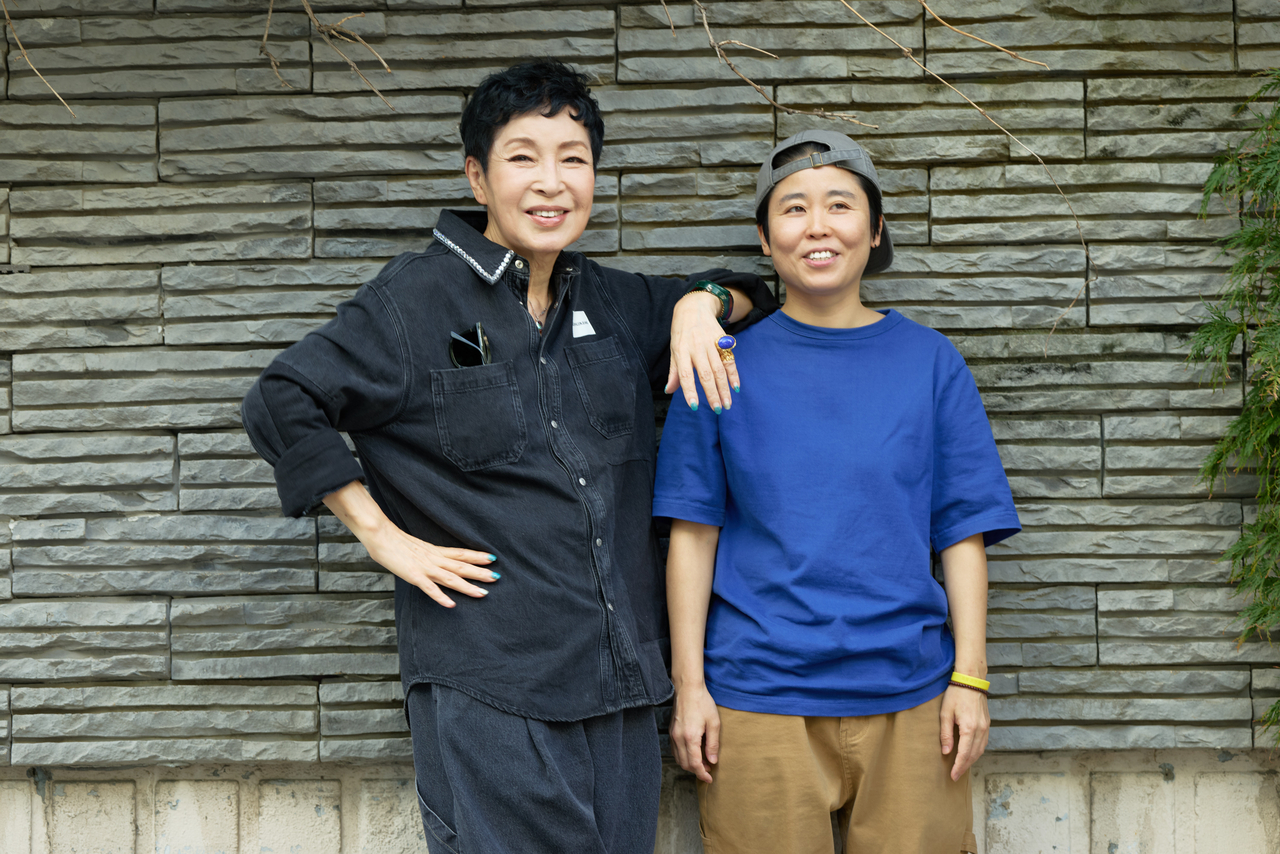
The project has changed the director's work as well.
Khoo, whose work usually deals with deaths of those pushed to the margins by social disasters and has been described as experimental, said Saekja's story could not be made the way she normally makes theater. "It would be impossible to fit Saekja into the frame I had as a director, and I felt I shouldn't," she said. "Meeting Saekja and making this show with her has changed a lot about how I write, and how I see as a director."
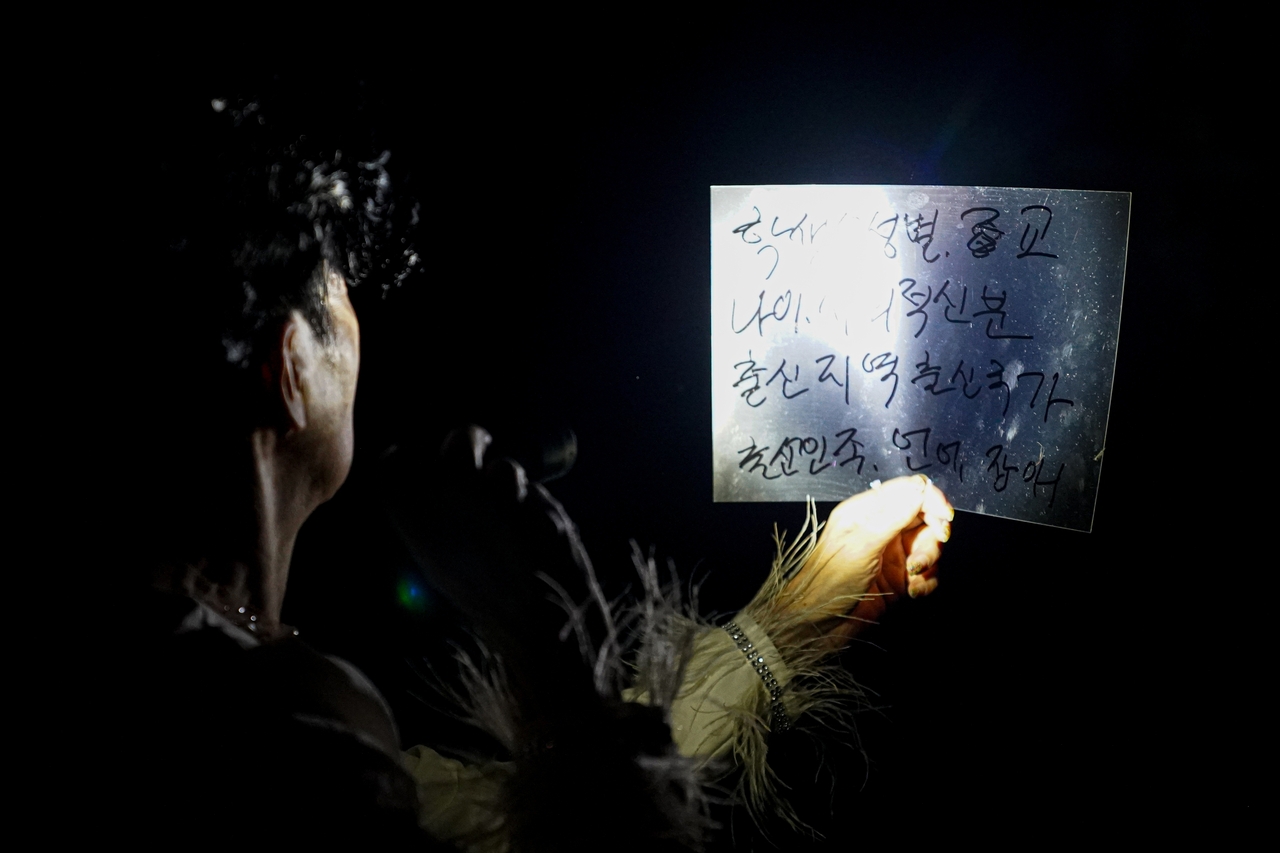
Khoo said she wanted to put Saekja's life onstage partly because Saekja has long wanted to give strength to young queer people, and being seen onstage was one way to do that. "She lived a life that needs to be recorded," Khoo said. "I wanted to leave it behind through the stage."
The play's long title comes from a line in an earlier play by Khoo about LGBTQ+ teenagers, written when corporal punishment in schools was common. "People say things have gotten better for queer people," Khoo said. "But the absence of physical punishment alone doesn't mean your existence is recognized."
Staging a real person's life comes with its own risk, Khoo acknowledged. "The moment you bring someone's life onstage, objectification is already at work," she said. Her answer was to follow Saekja's lead: Saekja willingly puts herself on display, and she decides what stays out. Some stories, she told Khoo, belong to her friends and their pain.
For her part, Saekja said her message to young people still questioning who they are is simple. "Nobody makes you this way, and nobody pushes you into it. You're born with it," she said.
"So think of it as being chosen."
Saekja asked the media to pass on one more thing: "Have courage and come out. You need to come out and be active. We're waiting for you."
She is not done performing. After the run, she plans to start a YouTube channel to show her lip-sync routines. "I can't go to the bar anymore, and I have to make a living," she said.
Asked when in her life she was happiest, Saekja said, "Now." And to her 16-year-old self, the one who walked out of school with a shaved head, she had this to say: "You were brave, and you've lived well to this day. Saekja, you did great."
gypark@heraldcorp.com